// 2026-07-07 · Design & Creativity · by Bob Smith
Cameron's World: A Collage Built From Dead GeoCities
Cameron's World is a scrolling collage stitched from thousands of salvaged GeoCities pages: spinning GIFs, tiled backgrounds, and the web before it grew up.
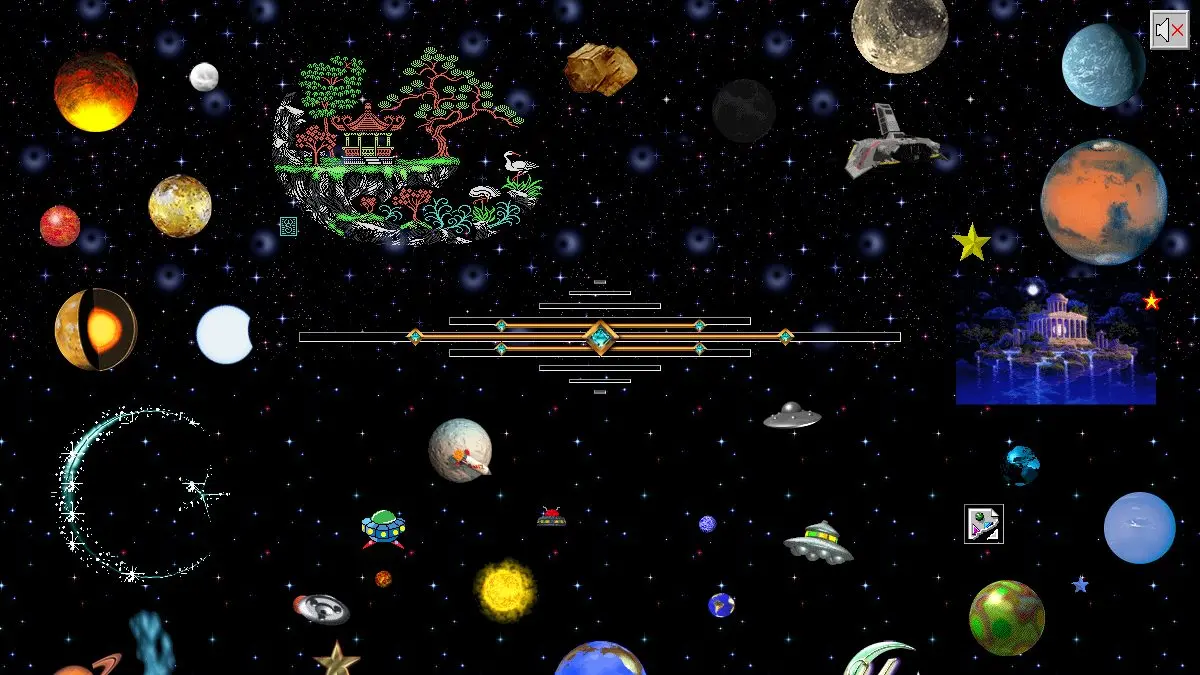
Cameron’s World is one very long web page built entirely out of the wreckage of GeoCities. Spinning envelopes, flaming logos, tiled starfield backgrounds, “under construction” signs, dancing babies, thousands of salvaged graphics, arranged into a single scrolling collage. It is a love letter to the amateur internet, and it is gorgeous in a way that should be illegal.
What is Cameron’s World?
GeoCities was where the web learned to be weird. Anyone could get a free page, and millions of people did, fan shrines, personal diaries, cat photo galleries, MIDI-soundtracked tributes to bands that broke up. Every one of them decorated with whatever animated GIFs they could find.
Then it was switched off, and most of it went away.
Cameron Askin went digging through what archivists rescued, pulled out the visual debris, and built this. Not a museum with plaques. A collage. Layer upon layer of other people’s design decisions, stacked into something that somehow works as a composition.
Scroll down and the eras drift past. Rainbow dividers. Web rings. Guestbook buttons. A cursor trail of stars. Text that is definitely Comic Sans and definitely centered. It is chaotic and loud and, this is the surprising part, genuinely beautiful.
The whole thing is a reminder that before the web was six websites in a trench coat, it was millions of tiny hand-built rooms, each one decorated badly and lovingly by exactly one person.
What can you do on Cameron’s World?
Honestly? Scroll. That is the tutorial. But there is more happening than it first looks.
- Just fall down the page. The collage is built in layers with parallax movement, so scrolling feels less like reading and more like descending through sediment.
- Hunt for specific artifacts. The flaming skull. The rotating ”@” sign. The little mailbox that opens and closes forever. Everyone finds a different favorite.
- Turn the sound on. The page has an audio toggle, and yes, it is exactly the kind of MIDI you are imagining.
- Read the credits section. Cameron lists the source pages the graphics came from: real GeoCities addresses, real neighborhoods, all long dead. It is the part that turns the joke into something a bit moving.
- Stop and look at individual GIFs. Some of these were hand-animated frame by frame in 16 colors by teenagers. The craft is real.
Tips to get the most out of it
Use a big screen. This is not a phone page. The density is the point, and you want peripheral vision doing work.
Give it a second to load. It is pulling in an enormous number of images. That brief wait is thousands of dead homepages arriving at once.
Scroll slowly. Fast scrolling turns it into visual noise. Slow scrolling lets you actually see the compositions inside the compositions, Cameron grouped things by color and motif, and it only reveals itself if you let it.
Read the source list afterward, not before. Hit the bottom, then look at where all this came from. The order matters. Delight first, elegy second.
Show it to someone who was there. If you know anyone who ran a GeoCities page, put this in front of them and watch. The recognition reaction is the best part of the site.
If you like Cameron’s World, also try…
- The Million Dollar Homepage: a single page of pixels sold to advertisers in 2005, still online, still a perfect fossil of its moment.
- Wiby: a search engine that only indexes lightweight, handmade pages. The GeoCities spirit, still alive, still updating.
- My90sTV: the same nostalgia hit delivered as television instead of graphics.
- Artvee: for when you want the opposite: enormous, careful, public-domain fine art.
Dig through more visual playgrounds in Design & Creativity, or take the strange exit into Weird & Wonderful.
Frequently asked questions
What is Cameron's World?
Cameron's World is a single scrolling web page assembled entirely from images and graphics salvaged from deleted GeoCities websites. Artist Cameron Askin collected thousands of GIFs, banners, and background tiles from the archived pages and arranged them into one enormous collage. It works as both an artwork and a time capsule of the amateur web of the 1990s.
Is Cameron's World free?
Yes, completely. There is no account, no paywall, and nothing to install, you open the page and start scrolling. It is a personal art project rather than a product.
Where did the images on Cameron's World come from?
They come from GeoCities, the free web hosting service that let millions of people build personal homepages before it was shut down. Archivists saved enormous quantities of those pages before they vanished, and Cameron's World is built from graphics harvested out of that rescued material. Every dancing baby and 'under construction' sign on the page was once someone's actual homepage decoration.
Does Cameron's World work on a phone?
It loads on mobile, but a big desktop screen is genuinely the better experience. The collage is dense with tiny detail and the layered scrolling reads much more clearly when you can see a lot of it at once.